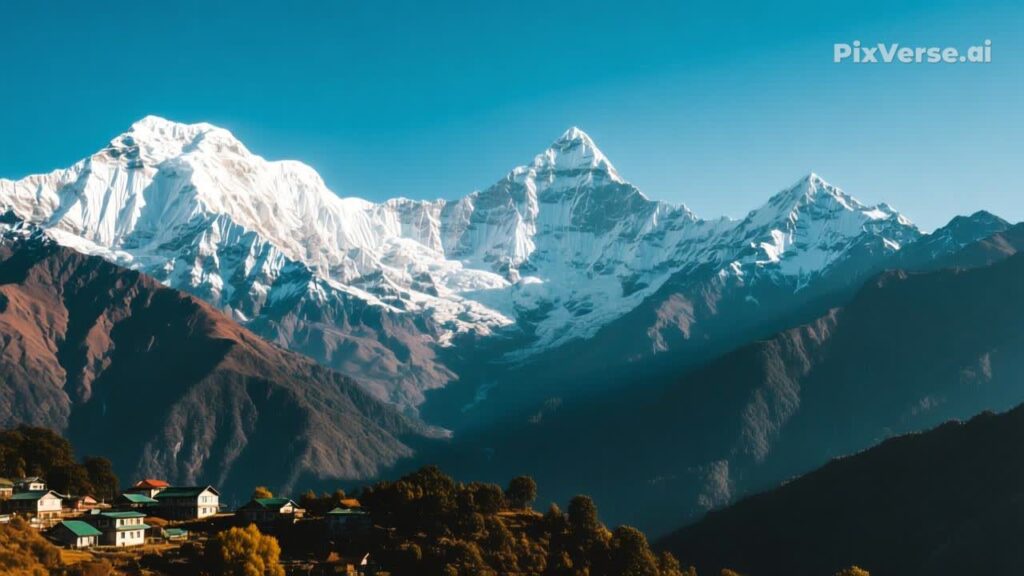
The Himalayas are more than just a mountain range—they’re a world of ice, rock, and relentless beauty. And within this world live some of the most skilled mountain climbers the planet has ever known. These climbers aren’t simply adventurers; they are products of generations of tradition, survival, and deep connection to the peaks. Today, let’s dive into the awe-inspiring life, skills, and spirit of a skilled mountain climber from the Himalayas.
The Majestic Setting of the Himalayas
Geography and climate
The Himalayas stretch across five countries and host the world’s highest peaks, including Everest and K2. Rugged terrains, deep gorges, and unpredictable climates make this region a natural training ground for elite climbers.
How the harsh environment shapes climbers
Growing up in thin air at high altitudes naturally builds stronger lungs and greater endurance. The extreme cold, steep ascents, and constantly changing weather demand resilience that only the Himalayas can sculpt.
Early Life of a Himalayan Climber
Growing up in the mountains
Many Himalayan climbers start their journey unintentionally—simply by living in demanding terrains. Their childhood often includes walking miles through steep trails, carrying loads, or helping families manage mountainous farmland.
Cultural connection to the peaks
Mountains are not just landforms here; they’re sacred. Peaks like Everest (Sagarmatha), Kanchenjunga, and Annapurna hold spiritual meaning, shaping climbers’ relationships with nature.
Traditions and survival skills
From a young age, locals learn weather awareness, safe route navigation, and respect for the mountain spirits. These cultural teachings become part of their mountaineering intuition.
Training and Skills Development
Physical endurance training
Climbers undergo rigorous training, from long-distance trekking to strength-building routines. Their endurance is unmatched due to daily physical demands and high-altitude living.
Technical climbing skills
They master ice climbing, ropework, anchor placement, and glacier navigation. Many even train with international mountaineers or attend specialized alpine schools.
Mental resilience and adaptability
Mountaineering requires absolute mental toughness. Climbers learn to stay calm under extreme pressures—blizzards, altitude sickness, and risky crossings.
Unique Traits of Himalayan Climbers
High-altitude adaptation
Centuries of living at altitude give Himalayan climbers a biological advantage. Their bodies efficiently process oxygen, allowing them to perform extraordinary feats above 8,000 meters.
Deep understanding of mountain behavior
Having grown up in the mountains, they intuitively read snow texture, ice shifts, and wind patterns.
Weather prediction and terrain reading
They can sense when an avalanche might strike or when a storm is brewing—skills that have saved countless expeditions.
Challenges Faced by Mountain Climbers
Extreme weather
Temperatures often drop below -30°C, with sudden storms that can trap climbers for days.
Avalanches and crevasses
Hidden crevasses and unstable snow slabs pose constant danger, demanding precision and experience.
Limited oxygen and altitude sickness
At extreme altitudes, every breath feels like inhaling through a straw. Even the strongest climbers face risks.
Iconic Ascents and Achievements
Summiting major Himalayan peaks
Himalayan climbers have set world records—speed climbing Everest, winter ascents, and guiding thousands of expedition members.
Contributions to global mountaineering
Their expertise has shaped mountaineering techniques, safety procedures, and expedition culture.
The Role of Sherpas and Local Guides
Sherpa culture and significance
Sherpas, often considered the “backbone of Himalayan expeditions,” are known for their courage, strength, and climbing intelligence.
Legacy of supporting expeditions
They fix ropes, carry loads, lead routes, and ensure everyone’s safety—often without receiving enough global recognition.
Modern Equipment and Techniques
Evolution of climbing tools
From yak-wool gear to cutting-edge synthetic suits, Himalayan climbers today use advanced tools—ice axes, crampons, oxygen systems, GPS devices.
How technology improves safety
Drones, weather apps, and satellite phones help climbers make safer decisions on the mountains.
Environmental and Ethical Considerations
Conservation efforts
Climbers now emphasize “leave no trace” ethics, helping reduce waste on popular peaks.
Responsible climbing ethics
Respecting sacred mountains, avoiding over-commercialization, and protecting wildlife are essential values.
Inspiring Stories of Himalayan Climbers
Tales of courage and survival
Many climbers have survived avalanches, frostbite, and near-death experiences—coming back stronger each time.
Lessons learned from the mountains
Mountains teach humility, patience, and the value of teamwork. Climbers often say the true summit is self-discovery.
Future of Himalayan Mountaineering
Changing climate impact
Melting glaciers and unstable ice conditions pose new challenges for upcoming climbers.
The next generation of climbers
Young climbers from Himalayan communities are blending traditional wisdom with modern training to create a new golden era of mountaineering.
Conclusion
A skilled mountain climber from the Himalayas is more than an athlete—they’re a testament to human resilience, intuition, and harmony with nature. shaped by the harshest environment on Earth and guided by centuries-old culture, these climbers symbolize courage and determination. Their legacy continues to inspire adventurers worldwide and will undoubtedly shape the future of global mountaineering. Follow our Instagram.
FAQs
Q What makes Himalayan climbers so skilled?
A Their high-altitude adaptation, cultural knowledge, and physical endurance give them unmatched expertise.
Q Are Sherpas and Himalayan climbers the same?
A Not always; Sherpas are a specific ethnic group known for mountaineering excellence, but Himalayan climbers come from various communities.
Q What are the biggest risks in Himalayan climbing?
A Extremely cold weather, avalanches, altitude sickness, and crevasses.
Q How do climbers prepare for high altitude?
A Through acclimatization climbs, training, hydration, and slow ascent techniques.
Q Why are the Himalayas important for global mountaineering?
A They host the world’s highest peaks and have shaped the culture, skills, and evolution of modern climbing.