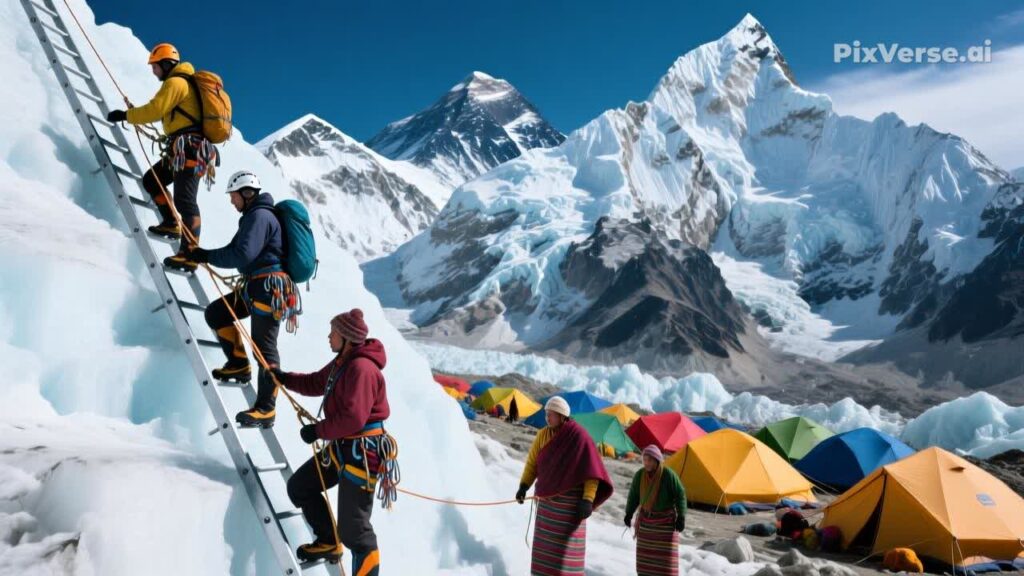
Introduction to Mount Everest
Mount Everest—standing proudly at 8,848.86 meters (29,031.7 feet)—is more than just a mountain. It’s a dream, a challenge, and for many, the ultimate symbol of human determination. Located on the border between Nepal and China, Everest draws thousands of adventurers each year, all hoping to experience the world from its highest point.
Why Everest Remains the Ultimate Challenge
Everest isn’t just tall—it’s unforgiving. The mountain demands physical strength, mental resilience, and strategic decision-making. Climbers face extreme weather, unpredictable avalanches, and thin air that makes every breath a victory. This combination of beauty and brutality is what keeps Everest on every climber’s bucket list.
A Brief History of Everest Expeditions
Everest was first summited by Sir Edmund Hillary and Tenzing Norgay Sherpa in 1953. Since then, thousands have followed in their footsteps, each expedition adding its own story to the legacy of the mountain. The Nepal side, known for its cultural richness and scenic trails, remains the most popular route.
Understanding the Nepal Route
The Popularity of the South Col Route
The South Col Route from Nepal is the most commonly used path because it’s more accessible and logistically manageable. The route takes hikers through the Khumbu region, offering breathtaking landscapes, warm villages, and a deep connection to Sherpa culture.
Key Differences Between Nepal and Tibet Routes
Climbing Everest from Nepal means trekking through iconic places like Namche Bazaar and Base Camp. In contrast, the Tibet route begins with a drive to Base Camp. The Nepal route is more scenic but includes more technical challenges like the Khumbu Icefall.
Preparing for the Climb
Physical Training Requirements
Climbers must train months—often years—in advance. Strength training, cardio, and endurance exercises are crucial. You should be able to carry heavy loads, hike long distances, and withstand freezing temperatures.
Mental Preparation for High-Altitude Climbing
Everest tests your mind as much as your body. Mental preparation includes visualizing the climb, managing fear, and staying calm in high-pressure situations.
Essential Skills Every Climber Must Have
Ice climbing, rope handling, crampon techniques, and glacier navigation are essential. Without these skills, even experienced hikers can struggle.
Permits and Regulations
Costs Involved in an Everest Expedition
Climbing Everest from Nepal isn’t cheap. Costs typically range from $30,000 to $70,000, depending on the expedition company and services included. Permit fees from the Nepal government alone cost thousands of dollars.
Government Rules Climbers Must Follow
Nepal requires climbers to have guides, proper insurance, and complete documentation. Strict rules help ensure safety and reduce environmental damage.
Gear and Equipment
Clothing Essentials for Extreme Cold
From insulated boots to down suits, Everest demands top-quality gear. Temperatures can drop below –40°C, so proper layering is a must.
Technical Gear Required for the Ascent
Ice axes, harnesses, carabiners, ropes, and oxygen tanks become your lifelines. Skimping on gear isn’t an option.
Optional but Useful Accessories
Things like heated gloves, backup batteries, and hydration systems can significantly improve comfort and safety.
The Everest Expedition Itinerary
Arriving in Kathmandu
Most climbers spend a few days in Kathmandu preparing gear and meeting their climbing team.
Trekking to Everest Base Camp
The trek to Base Camp takes about 10–12 days, passing through stunning villages, monasteries, and mountain viewpoints.
Acclimatization Period
Climbers spend weeks moving between camps to adapt to thinner air. This step prevents altitude sickness and ensures safe ascent.
The Final Push to the Summit
Summit attempts usually take place in May when weather windows open. Climbers leave Camp 4 late at night to reach the summit by sunrise.
Challenges Faced on the Nepal Side
Weather and Temperature Extremes
Weather can change in minutes. Clear skies may turn into storms quickly, making timing crucial.
Khumbu Icefall Dangers
The Icefall is considered one of the most dangerous sections due to crevasses and shifting ice towers.
Altitude Sickness Risks
Altitude sickness can strike even experienced climbers. Immediate descent is the only cure when symptoms become severe.
Role of Sherpas
Their Expertise and Importance
Sherpas are the backbone of Everest expeditions. Their local knowledge, climbing experience, and strength make them indispensable.
Cultural Significance in the Himalayas
Sherpa traditions, prayer flags, and religious rituals add a spiritual layer to the Everest experience.
Environmental and Ethical Considerations
Leave No Trace Principles
As climbers, respecting Everest is essential. Carrying out waste and minimizing impact helps preserve the mountain.
Waste Management on Everest
Efforts are increasing to clean Everest, but every climber must do their part.
Tips for a Successful Climb
How to Stay Focused and Motivated
Surround yourself with supportive team members, stay hydrated, and remind yourself why you started.
Smart Decision-Making on the Mountain
If conditions look dangerous, turning back is the brave choice—not the weak one.
Conclusion
Climbing Mount Everest from Nepal is a journey of courage, discipline, and awe. From the vibrant streets of Kathmandu to the thin air near the summit, every step is a story. Whether you dream of standing on top of the world or simply want to understand the adventure, the Nepal route offers an unforgettable experience filled with culture, challenge, and triumph. Follow our LinkedIn Page.
FAQs
Q How long does it take to climb Everest from Nepal?
A Typically 60–70 days, including acclimatization.
Q What is the best month to summit Everest?
A May is considered the best due to stable weather.
Q Do you need prior climbing experience?
A Yes, high-altitude climbing experience is essential.
Q How dangerous is the Khumbu Icefall?
A It’s one of the most hazardous parts of the route due to constantly shifting ice.
Q Can beginners summit Everest?
A Beginners cannot safely attempt it. Extensive training is required.