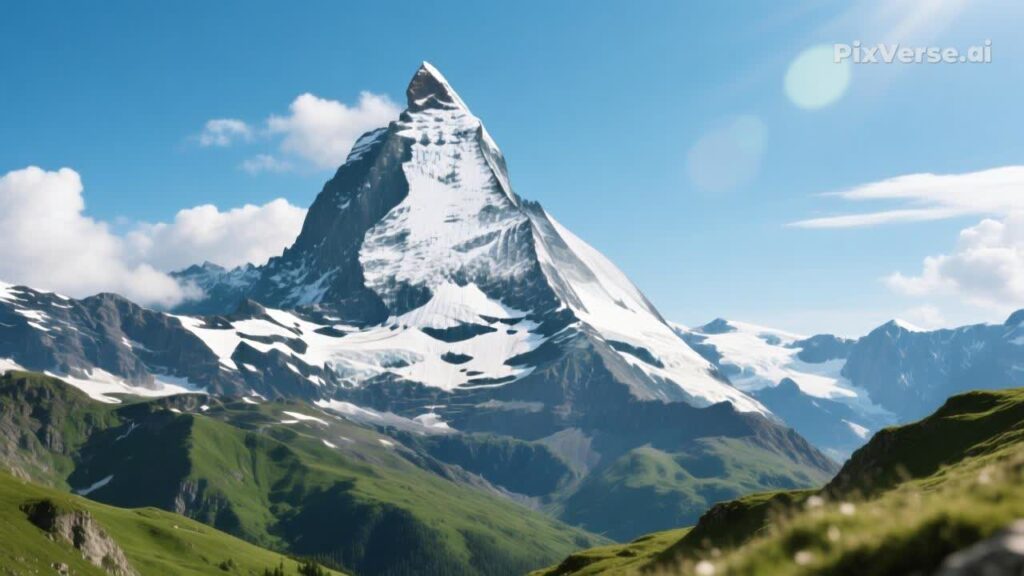
Introduction to Himalayan Climate
The Himalayan Mountains boast one of the most dramatic and diverse climatic systems in the world. Thanks to their towering ranges, deep valleys, and sharp elevation changes, the climate here shifts rapidly from subtropical warmth to Arctic-like cold. But what makes the Himalayan climate truly stand out?
Why the Himalayas Are Climatically Significant
The Himalayas act as a massive wall that reshapes weather patterns across Asia. Their presence influences temperatures, wind flow, rainfall, and even the monsoon system. Without them, the climate of South Asia would be unrecognizable.
Influence of Height and Latitude
Altitude plays a crucial role—temperature decreases as elevation rises. This is why you can experience lush greenery at the foothills and snow-covered peaks just a few hours away. Latitude contributes too, but altitude is the real game-changer.
Major Climatic Zones in the Himalayas
The Himalayas contain a variety of climatic belts, each with its own weather characteristics and ecological systems.
Tropical and Subtropical Zones
Found at lower elevations, these zones experience warm temperatures and significant rainfall, especially during the monsoon season.
Temperate Zone
Higher regions enjoy cool summers and frosty winters with abundant forests of pine, oak, and rhododendron.
Alpine Zone
With thin air and cold temperatures, this zone supports only hardy shrubs, grasses, and specialized wildlife. With thin air and cold temperatures, this zone supports only hardy shrubs, grasses, and specialized wildlife.
Tundra and Permafrost Zone
At the highest altitudes, temperatures remain extremely low, and snow cover persists year-round. Life here is minimal and highly adapted.
Seasonal Climate Variations
The Himalayan climate changes dramatically with the seasons, creating distinct weather patterns throughout the year.
Winter Conditions
Winter brings intense cold, heavy snowfall, and strong winds. Many high-altitude regions become inaccessible due to snow accumulation.
Summer Patterns
Summer warms the lower regions while melting snow in the upper mountains, creating rivers and greenery across the range.
Monsoon Influence
Monsoon winds bring heavy rain to the southern slopes, feeding forests and rivers but also causing landslides.
Retreating Monsoon Characteristics
As the monsoon withdraws, clear skies, pleasant temperatures, and reduced humidity follow, marking the transition into autumn.
Temperature Distribution Across Elevations
Lower Himalayas
Temperatures here are moderate, making the region suitable for farming and settlement.
Middle Himalayas
Cool climates dominate, with chilly winters and mild summers—ideal for fruit orchards and dense forests.
Upper Himalayas
High-altitude areas face extreme cold year-round. Even summers can feel like winter to those unaccustomed.
Precipitation Patterns
Rainfall Distribution
Rainfall varies widely. The eastern Himalayas receive more than the western regions due to their position relative to monsoon winds.
Snowfall Patterns
Snowfall increases with altitude. Some of the world’s heaviest snowfalls occur in the upper Himalayan ranges.
Role of Glaciers in Precipitation
Glaciers store snow and ice, releasing meltwater gradually, supporting major rivers like the Ganga, Yamuna, and Brahmaputra.
The Himalayas as a Weather Barrier
Blocking Cold Winds
The mountains block icy winds from Central Asia, keeping the plains of India warmer during winter.
Guiding Monsoon Winds
Their placement forces monsoon winds upward, creating heavy rains on the southern slopes and dry conditions on the northern side.
Microclimates Within the Mountain Range
Valley Climate
Valleys often enjoy warmer and more stable climates compared to surrounding peaks, allowing agriculture to thrive.
Rain Shadow Zones
Regions such as Ladakh receive minimal rainfall because mountains block moisture-bearing winds.
Impact of Climate Change
Glacier Retreat
Global warming is melting Himalayan glaciers at alarming rates, threatening long-term water supplies.
Changes in Rain and Snowfall
Unpredictable weather patterns, including irregular monsoons and reduced snowfall, affect both nature and human activities.
Threats to Local Communities
Communities face increased risks of floods, landslides, and water shortages due to climatic shifts.
Flora and Fauna Adaptations
Vegetation Patterns
Plants adapt by growing shorter and developing deeper roots to survive harsh temperatures and steep gradients.
Animal Adaptations
Species like yaks, snow leopards, and Himalayan goats are built to withstand cold, thin air, and rugged terrain.
Human Life in Himalayan Climatic Conditions
Mountain Community Lifestyles
People living in the Himalayas adapt with specialized housing, warm clothing, and traditional knowledge of weather cycles.
Effects on Agriculture and Tourism
Climate influences crop choices and tourism seasons. Trekking and climbing peaks depend heavily on weather conditions.
Conclusion
The Himalayan Mountains are a climatic wonder—boasting a mix of tropical warmth, alpine cold, and everything in between. Their towering peaks shape rainfall, temperature, and wind patterns across a huge region, impacting both nature and human life. Understanding these conditions helps us appreciate the mountains’ beauty and recognize the need to protect their fragile environment. Follow us on Instagram.
FAQs
Q Why do the Himalayas have different climatic zones?
A Because altitude changes rapidly, creating diverse temperature and vegetation zones.
Q Which Himalayan region gets the most rainfall?
A The eastern Himalayas receive the highest rainfall due to monsoon winds.
Q How does winter affect the Himalayas?
A Winter brings extreme cold, heavy snowfall, and limited accessibility in high regions.
Q Is climate change affecting Himalayan glaciers?
A Yes, glaciers are melting faster due to rising temperatures.
Q What makes Himalayan wildlife unique?
A Animals have special adaptations to survive cold and high-altitude conditions.